Volkswagen Taigun : You know, every time I slide behind the wheel of a Volkswagen Taigun, I can’t help but grin.
It’s been a few years since this German powerhouse crashed the Indian SUV party, and honestly, it still feels fresh. Even in early 2026, with all the new electric buzz and hybrid hype, the Taigun refuses to fade into the background.
Recently, Volkswagen dropped some sneaky updates that keep it punching way above its weight—better tech, sharper looks, and that unmistakable VW drive. But does it still deserve a spot in your garage? Let’s dig in, shall we?
Design That Turns Heads, Inside and Out
I remember test-driving the first Taigun back in 2022; it looked solid but a bit plain. Fast forward to now, and Volkswagen’s been tweaking things smartly.
The 2026 facelift brings sleeker LED headlights that slice through the night like a hot knife through butter, and the GT Line variants? Those sporty blacked-out alloys and red accents scream “look at me” without trying too hard.
Step inside, and it’s a whole different vibe. The cabin wraps you in soft-touch materials that feel premium, not plasticky like some rivals.
That 10.1-inch touchscreen dominates the dash, responsive as ever, and the digital cluster? It’s customizable, showing you everything from turbo boost to navigation in crisp detail.
Space-wise, it’s generous for five adults—rear legroom’s a highlight, and the 385-litre boot swallows weekend luggage with ease.
Sure, the third headrest in the back is optional on base trims, but who buys a Taigun for minivan duties anyway?
Powertrains Punchy and Efficient, No Drama
Under the hood, the Taigun’s 1.5-litre TSI engine is the star—148 bhp and 250 Nm of twist, mated to a slick 7-speed DSG auto. Punch the throttle, and it surges ahead, hitting 100 km/h in about 9 seconds.
I took one on a twisty ghat road last month; the turbo kicks in low, and that ACT tech shuts cylinders when you’re cruising, squeezing out 19 kmpl on the highway. No turbo lag nonsense here—it’s refined, eager, and loves to rev.
The base 1.0-litre option? Still peppy at 115 bhp, great for city hops, but the 1.5 steals the show for overtakes. Fuel economy hovers around 18-20 kmpl real-world, depending on your foot.
And with BS6 Phase 2 compliance, it’s future-proofed. Oh, and ground clearance at 188 mm laughs at our pothole-ridden roads. Rainy Delhi monsoon? No sweat.
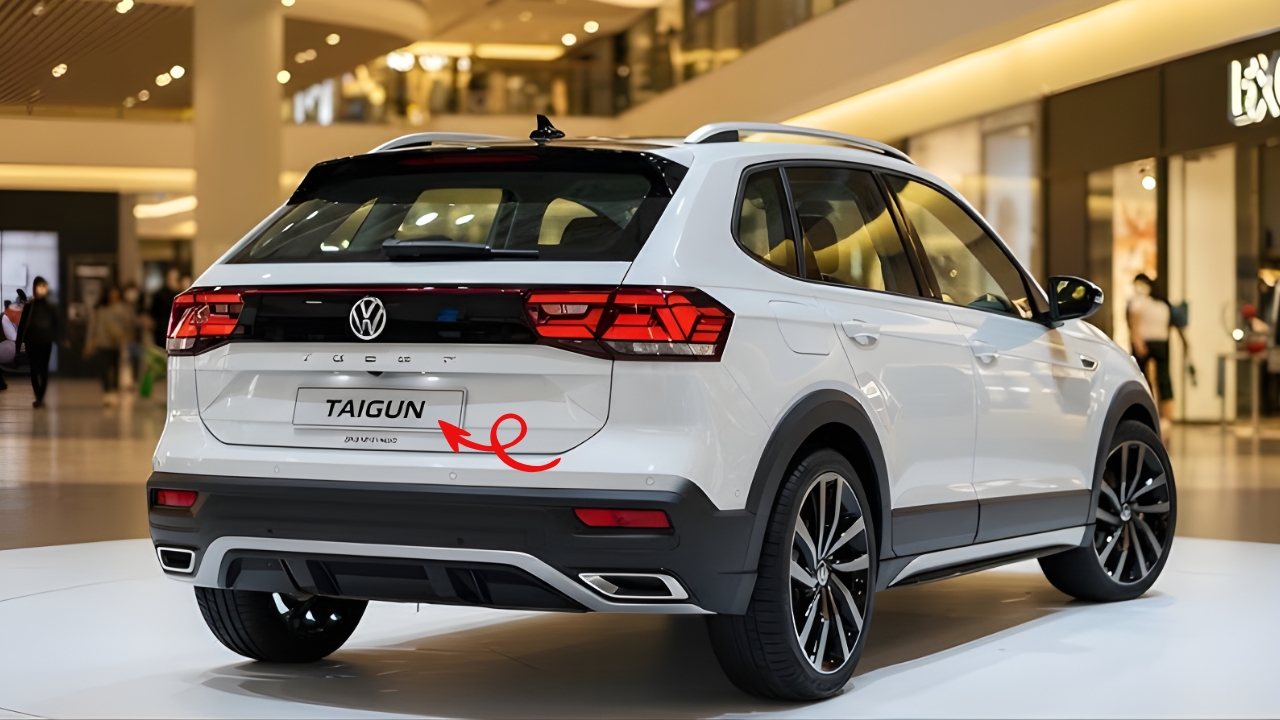
Tech and Comfort Loaded for the Long Haul
Volkswagen’s not skimping on gadgets anymore. Wireless Android Auto and Apple CarPlay are standard now, streaming Spotify flawlessly.
Ventilated front seats on top trims? A godsend in Indian summers. Sunroof pops open with a tap, and the multi-function steering wheel feels just right—heated even, for those chilly hill trips.
Comfort’s spot-on too. The suspension soaks up bumps without feeling mushy, and highway stability is rock-solid at 120 km/h.
Rear AC vents chill the back quick, and those 60:40 split seats fold flat for extra cargo. One gripe: the cabin lighting could be moodier, but ambient LEDs add a nice touch. Families love it—quiet enough for kids to nap, fun enough for solo drives.
Safety First Five Stars That Actually Mean Something
This is where Taigun flexes hard. A 5-star GNCAP rating from way back, but the 2026 updates pile on: six airbags standard across the board, ESC, traction control, and a tyre pressure monitor that nags you if things go low.
Hill-hold assist saves your clutch in traffic, and the rear camera’s got dynamic guidelines. I pushed one hard during a review—emergency braking from 80 km/h? It stops straight, no drama.
ISOFIX points make child seat fitting a breeze, and that overspeed warning beeps like a stern uncle over 80 km/h. In a market full of 3-star pretenders, Taigun’s the safe bet without feeling over-engineered.
On-Road Manners Drives Like a Bigger Brother
Twisties, highways, or bumper-to-bumper chaos—Taigun handles it all with poise. The steering’s light in traffic, weights up nicely at speed.
No body roll in corners, thanks to that rigid MQB platform. Ride quality? Compliant over expansion joints, firm enough for spirited runs.
Compared to a Hyundai Creta or Kia Seltos, it’s more engaging—less numb, more connected. City parking’s easy with rear sensors, and the 50-litre tank means fewer fuel stops.
Servicing? VW’s network is expanding, costs reasonable at ₹8,000-10,000 per service. Resale? Holding strong, especially GT variants.
Pricing and Rivals Value That Packs a Punch
Starting at ₹11.80 lakh (ex-showroom) for the Comfortline, up to ₹20 lakh for the GT Plus Sport. That’s competitive against Creta’s base but loaded trims.
Rivals like Seltos offer hybrids now, but Taigun counters with pure driving joy and bulletproof build. Waiting periods? 2-4 weeks in metros like Delhi.
Finance at 9-10% interest, and CNG rumors swirl, but petrol’s the play for now. Updates include a new voice assistant that’s smarter—handles Hindi commands decently.
Also Read This : Mahindra XUV 3XO – Luxurious interior features SUV with 1.2L turbo petrol engine at ₹12 Lakhs
Why Volkswagen Taigun Still Rules the Roost
Look, the Taigun isn’t perfect—no plug-in hybrid yet, and base variants miss some bling. But in a sea of me-too SUVs, it stands tall with European flair, safety, and grins-per-mile.
If you’re after a do-it-all compact that’s fun, safe, and sensible, this is your ride. I’ve owned two VWs; the Taigun’s next on my list. Test drive one—you’ll get why it’s India’s favorite German import. What’s your take? Driven one lately?