Maruti S-Presso : You know that feeling when you’re stuck in Delhi traffic, cursing the endless jam, and all you want is a car that’s nimble, cheap to run, and doesn’t make you broke at the pump?
Enter the Maruti S-Presso, the pint-sized powerhouse that’s been turning heads since it first rolled out, and now in 2026, it’s sharper than ever.
This micro-SUV isn’t just surviving in India’s cutthroat entry-level market—it’s thriving, blending quirky looks with real-world smarts that make city life bearable.
I’ve driven one through the chaotic streets of the capital, and let me tell you, it feels like the car was built for this madness.
Affordable pricing starting at just ₹3.50 lakh ex-showroom keeps it within reach for first-time buyers, cab drivers, and families pinching pennies.
With recent GST tweaks slashing prices by up to ₹52,000 on some variants, it’s an even sweeter deal right now. Maruti’s genius lies in making something this basic feel like a step up from two-wheelers without the sticker shock.
Bold Face, Big Attitude
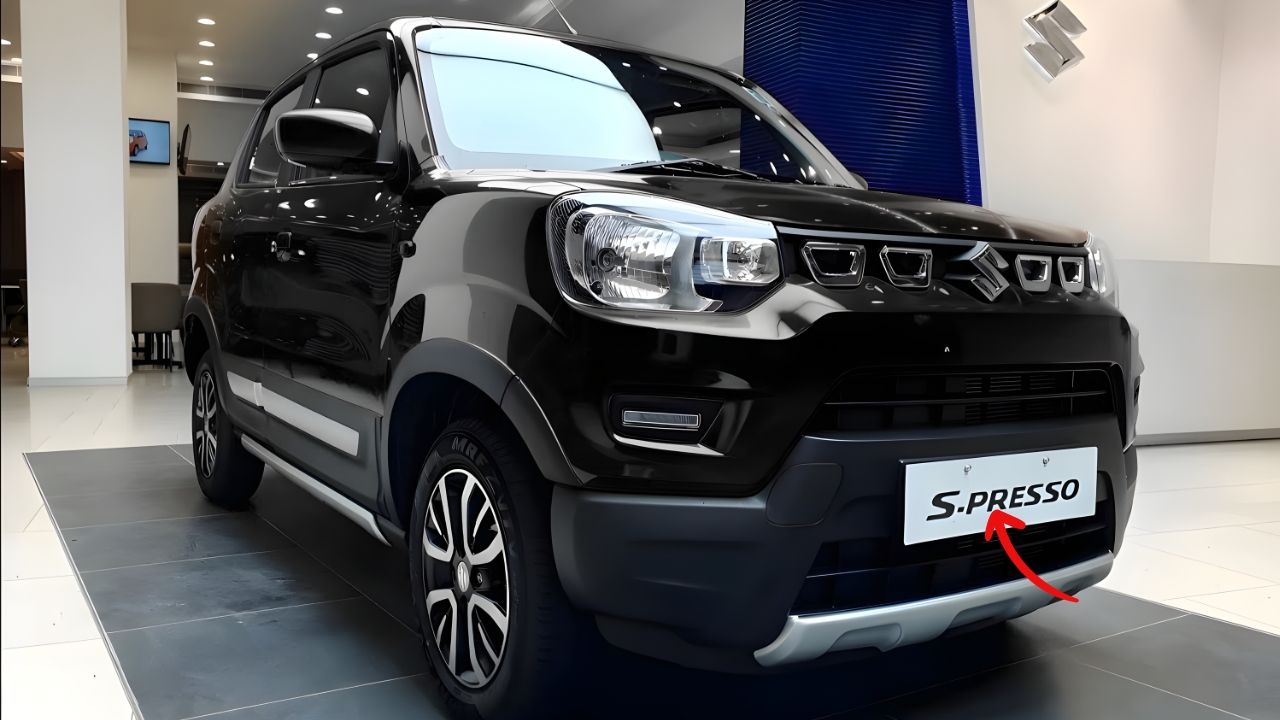
Remember when the S-Presso launched with that eyebrow-raising “mini-SUV” vibe? For 2026, Maruti’s dialed it up with a facelift that borrows cues from the rugged Jimny—think a boxy front grille, round headlights that scream retro adventure, and side cladding that adds some muscle.
It’s 3,565mm long, 1,520mm wide, and sits tall at 1,567mm with 180mm ground clearance, so those dreaded speed breakers and potholes? No sweat.
Park it anywhere—its 4.5-meter turning radius is a godsend in tight alleys. Colors like Sizzle Orange and Starry Blue pop against the grey urban jungle, and the connected LED taillights on higher trims give it a premium wink.
Sure, some call the design “love it or hate it,” but in a sea of bland hatches, this one’s a conversation starter. I once had a traffic cop double-take while I idled at a signal—talk about free publicity.
Heart of the Matter Engine That Punches Above Its Weight
Under the hood beats Maruti’s trusty 1.0-litre K10C three-cylinder petrol engine, churning out 67-69PS and 89-91Nm of torque.
Paired with a slick 5-speed manual or AMT auto, it zips through gears without drama, hitting claimed mileages of 24-25kmpl on petrol—that’s real-world 20+ in city slogs if you’re not flooring it everywhere.
CNG fans rejoice: the bi-fuel setup drops to 57PS but stretches to 32.73km/kg, perfect for those long hauls to the in-laws without wallet worry.
Acceleration isn’t fireworks—0-100kmph in a leisurely 14 seconds—but for darting between autos and bikes, it’s peppy enough.
No turbo lag, light clutch, and that high seating position give you command-view confidence. On highways, it holds steady up to 120kmph, though wind noise creeps in above that.
Inside Scoop Space Where You Least Expect It
Step inside, and the S-Presso punches way above its price. Tall-boy stance means headroom for days—even my 6-foot buddy doesn’t graze the roof.
Rear seats recline and slide, boot swallows 270 litres (expandable), and five can squeeze in for short trips, though CNG variants limit to four.
Top trims spoil you with an 8-inch touchscreen, Android Auto/Apple CarPlay, steering controls, and a decent sound system.
AC chills fast, power windows all around (front in base), and digital cluster keeps tabs on everything. Plastics scream budget, but they hold up—no rattles after bumpy test runs.
Utility spots everywhere: bottle holders, overhead consoles, sunvisors with ticket holders. It’s not luxury, but for daily grind, it’s thoughtfully practical.
Safety Better, But Room to Grow
Maruti’s stepped up: dual airbags standard now, ABS with EBD everywhere, ESP on AMT variants, rear sensors, seatbelt buzzers, and child locks.
That 180mm clearance and stable stance help avoid underbelly scrapes. Global NCAP gave it one star before, but updates like pedestrian protection and crash-compliant body aim higher.
It’s no tank—light build shows in side impacts—but for urban dodging, it’s safer than bikes. Hill-hold on autos prevents rollback embarrassments. If safety’s paramount, stretch to rivals like Tiago, but for the money, this is progress.
Price Tags and Rivals Value King
From STD(O) at ₹3.50 lakh to VXI+ AMT at ₹5.25 lakh ex-showroom, on-road in Delhi hits ₹3.95-5.85 lakh. CNG adds ₹80k-ish but pays back fast. February deals toss in up to ₹37,500 off.
Against Renault Kwid (flashier but thirstier), WagonR (roomier tall-boy), or Celerio (smoother), S-Presso wins on quirky style, efficiency, and Maruti’s service net—3 years/1 lakh km warranty standard.
Tata Tiago edges in safety, but costs more. For budget kings, it’s unbeatable.
Also Read This : Vivo Y400 – Full HD amoled display smartphone comes with 6600mAh powerhouse
Maruti S-Presso Why It Still Makes Sense in 2026
In a world pushing EVs and SUVs, the S-Presso reminds us: sometimes simple wins. It’s for the daily warrior battling fuel bills, parking wars, and family hauls without fuss.
I’ve seen fleets of them ferrying kids to school, zipping to markets—reliable as sunrise. Flaws? Harsh ride on bad roads, basic interiors, highway wobbles.
But at this price, who cares? If you’re upgrading from a bike or need a second whip, test drive one. It’ll hook you with that fun, frugal vibe.