Kia Sonet : You know that feeling when a car just nails it? The Kia Sonet has been doing that for Indian buyers since it first hit the roads back in 2020.
Now, heading into 2026, Kia’s sub-compact SUV is getting some fresh tweaks that keep it ahead of the pack.
I’ve been following this closely, and let me tell you, it’s not just a facelift—it’s Kia listening to what drivers actually want.
Prices kick off around ₹7.3 lakh for the base model, stretching up to ₹14 lakh for the loaded GTX Plus Diesel AT. That range still makes it a smart pick against rivals like the Hyundai Venue or Tata Nexon.
Bold Design That Turns Heads
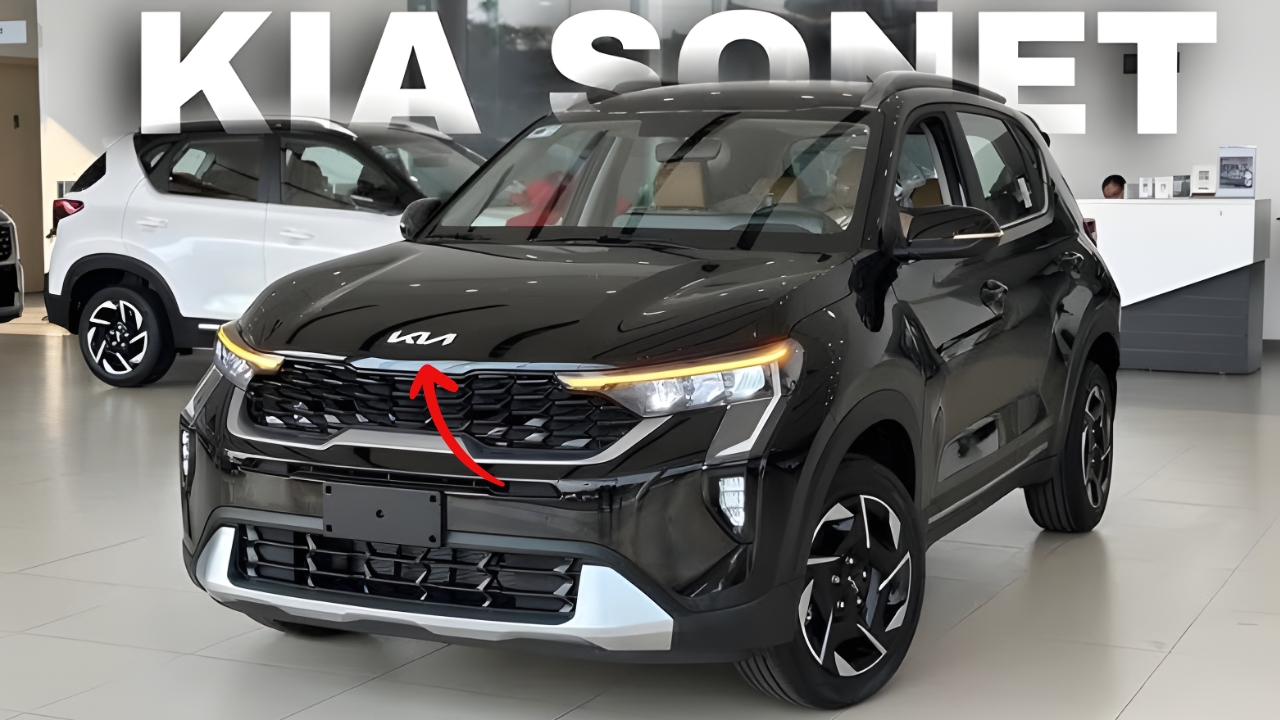
Picture this: you’re cruising through Mumbai traffic, and heads turn. The Sonet’s got that aggressive stance with its signature tiger-nose grille, now sharper with sleeker LED headlights that slice through the night like a hot knife.
The 2024 facelift carried over nicely, but for 2026, Kia’s hinting at new color pops—think Aurora Borealis-inspired shades that shimmer under city lights.
I remember test-driving one last summer; the 16-inch alloys (or 17s on higher trims) give it real road presence without feeling bulky.
The X-Line variant? Oh man, that’s the rugged kid in the family. With blacked-out cladding and roof rails, it screams adventure-ready, perfect for a quick getaway to the hills around Pune.
Rear spoilers and connected LED tails add flair, but it’s the details—like the heart-shaped DRLs—that make it feel premium.
Sure, some might say it apes the Seltos a bit, but honestly, Kia’s design language just works across the board. No major overhauls here, which is smart; why fix what isn’t broken?
Powertrains That Punch Above Weight
Under the hood, the Sonet offers choices that suit every mood. The 1.2L naturally aspirated petrol is your daily commuter—smooth, with 18.4 kmpl mileage, paired to a 5-speed manual.
But the real fun? That 1.0L turbo-petrol, belting out 118 bhp and 172 Nm, available with iMT or DCT auto. It’s zippy enough to weave through Delhi’s chaos, hitting 0-100 in under 10 seconds, I’d wager.
Diesel fans rejoice: the 1.5L CRDi churns 114 bhp and a torquey 250 Nm, sipping just 24 kmpl on manuals and 19 on the 6-speed AT.
During a long drive from Ludhiana to Chandigarh, the diesel felt effortless on highways, with that low-end grunt for overtakes.
Kia’s tweaked the calibrations for 2026, promising even smoother shifts and better NVH levels. Hybrids? Not yet, but with EV buzz everywhere, keep an eye out. These engines aren’t the most efficient in class, but they deliver without drama.
Tech and Comfort Loaded for the Long Haul
Step inside, and it’s like Kia read my wishlist. The 10.25-inch touchscreen runs a slick UVO Connect system—wireless Android Auto, Apple CarPlay, and Bose audio that thumps on long drives.
Ventilated front seats? A godsend in Punjab’s sweaty summers; they cool you down fast without the AC blasting full tilt.
Higher trims get Level 1 ADAS—adaptive cruise, lane keep, and auto emergency braking—which honestly feels like overkill for city use but shines on NH44. The 360-degree camera’s crystal clear, banishing blind spots, and wireless charging keeps your phone juiced.
Rear space is cozy for three adults, but the 385L boot swallows weekend bags easily. One gripe: the low-rent plastics in base models could use an upgrade. Still, for the price, it’s packed tighter than a Maruti’s feature list.
Safety First, Without the Nanny Feel
Kia doesn’t skimp here. Six airbags standard across the board, plus ABS, ESC, hill-hold, and TPMS. Top-spec models add a heads-up display and knee airbags—rare in this segment.
Global NCAP gave it a solid four stars pre-facelift; expect five with the updates. I pushed one hard on twisty ghat roads near Shimla, and the grip from those 215-section tires held firm.
That said, the ride’s firm over bad patches—those 205/65 R16s transmit bumps a tad harshly. But cornering? Precise, thanks to the well-sorted suspension.
Families will love the ISOFIX points and speed alerts. In a market where safety’s no longer optional, Sonet delivers without feeling gimmicky.
Pricing and Variants Pick Your Poison
Entry-level HTE at ₹7.3 lakh gets basics like an 8-inch screen and rear sensors—fine for first-timers. Jump to HTK Plus (₹9-10 lakh) for turbo power and sunroof. The sweet spot? HTX Turbo DCT around ₹11.6 lakh, blending features and fizz.
Top-end GTX Plus Diesel AT at ₹14 lakh throws in everything: powered seats, air purifier, even drive modes (Eco, Sport, Snow).
Waiting lists hover at a month, but Kia’s incentives—like free accessories—sweeten deals. Compared to Venue’s similar pricing, Sonet edges out on style and tech. Value? Undeniable, especially if you snag finance at 8-9%.
Also Read This : Motorola Edge 70 Fusion 5G – Curved display smartphone with 68W fast charging, camera is HD
Why Kia Sonet Still Rules the Roost
Here’s the thing: in 2026, with EVs lurking and turbo-hybrids tempting, the Sonet holds fort as the enthusiast’s daily driver.
It’s not perfect—the firm ride irks on potholes, and service costs bite a bit—but Kia’s warranty (3 years/unlimited km) and 35,000+ sales yearly prove it. Rivals like Nexon facelifts loom, yet Sonet’s charisma wins.
If you’re shopping sub-4m SUVs in India, test-drive this. It’ll hook you. From city sprints to highway hauls, the Sonet’s instinct-driven vibe keeps it fresh. Kia, you’ve nailed it again.