Hyundai Verna : I’ve been following the midsize sedan segment closely, and let me tell you, the buzz around the upcoming Hyundai Verna facelift is real.
Spotted testing on Indian roads wrapped in heavy camouflage, this update promises to keep the Verna at the top of its game when it lands early next year.
Spy Shots Spill the Design Secrets
Those recent test mule sightings from Pune and other spots have given us a good peek at what’s coming.
The rear end stands out first – that signature connected taillamp stays, but it’s getting sharper LED elements and a chunkier bumper that makes the whole tail look more aggressive and planted.
Up front, expect Hyundai to borrow cues from its global sedans like the Elantra and Sonata, with a bolder grille, sleeker LED DRLs, and projector headlights that scream premium.
It’s not a full redesign, but these tweaks will make the Verna feel fresh without losing its sporty vibe that buyers love.
I remember driving the current Verna last year, and its stance was already head-turning. This facelift seems dialed in to amp up the road presence even more, especially with those angular lines that Hyundai’s been perfecting lately.
Powertrains Stick to Winners or Go Hybrid?
Under the hood, don’t expect massive changes to the engines that have powered the Verna’s success.
The 1.5-litre naturally aspirated petrol (around 115 hp) and the punchy 1.5-litre turbo (160 hp, 253 Nm) will carry over, paired with manuals, IVT, or DCT autos. Mileage figures hover at 18-20 kmpl, which is solid for the class.
But here’s the exciting rumor mill churning: a 1.5-litre petrol-hybrid could join the lineup, boosting efficiency to rival the Honda City e:HEV.
Hyundai’s pushing eight hybrids by 2030, so the Verna makes sense as a tester. If it happens, we’re talking better city mileage without sacrificing that turbo thrill on highways. Fingers crossed, because sedans need this edge against SUVs.
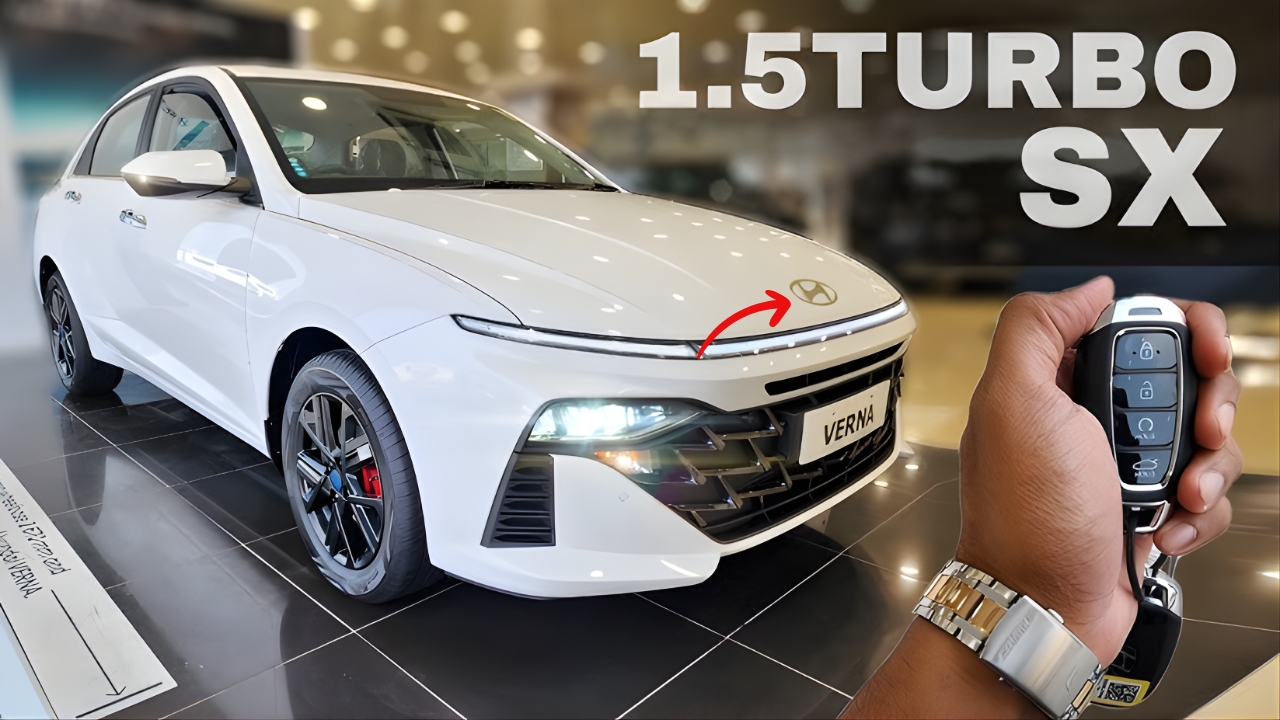
Cabin Upgrades for Everyday Luxury
Step inside, and the facelift won’t overhaul the layout, but smart additions are on the cards. A bigger dual-screen setup – think 10.25-inch infotainment and digital cluster – with wireless Android Auto/Apple CarPlay is likely.
Ventilated seats, a panoramic sunroof, Bose audio, and Level 2 ADAS like adaptive cruise and lane keep will elevate the experience.
The current Verna already feels premium with its 64-color ambient lighting and ventilated fronts, but these tweaks address what owners have asked for: more connectivity and safety.
Imagine gliding through Delhi traffic with hands-free highway assist – that’s the future this facelift hints at. It’s Hyundai listening to Indian buyers who want sedan comfort without compromises.
Pricing and When to Expect It
Right now, the Verna starts at about ₹11 lakh and tops out near ₹17 lakh ex-showroom. The facelift should command a small premium, landing between ₹12-18 lakh, keeping it competitive.
Launch is eyed for March-May 2026, just in time to shake up the segment.
With waiting periods already at a month on current models, Hyundai’s betting big on demand. If you’re eyeing one, the facelift’s cosmetic focus means it’s worth waiting for if style matters most to you.
How It Stacks Up Against Rivals
In a segment dominated by the Honda City, Skoda Slavia, VW Virtus, and even the Ciaz, the Verna’s turbo edge and features have kept it ahead.
The City offers hybrid efficiency now, but Verna’s sportier drive and lower price win hearts. Slavia and Virtus bring European solidity, yet lack the Verna’s flair and ADAS suite.
Post-facelift, that potential hybrid could level the playing field, while the refreshed looks might pull more style-conscious buyers from SUVs.
It’s not just a car; it’s Hyundai’s statement that sedans still rule for those who prioritize handling and efficiency over high-riding trends.
Also Read This : Toyota Urban Cruiser Taisor – Luxurious features SUV comes with 308L boot space at price of ₹6 Lakhs
Why the Hyundai Verna Facelift Matters Now
Sedans like the Verna are fighting back against the SUV wave, and this update feels perfectly timed.
With sharper design, possible hybrid tech, and loaded features, it’s set to remind everyone why three-box cars deserve a spot in garages.
I’ve seen how the current gen turned heads at auto shows – this one’s going to do the same, but better.
For families in Delhi or Mumbai zipping through urban chaos, the Verna’s blend of pep, space (521-litre boot), and five-star safety remains unbeatable.
If Hyundai nails the hybrid rumor, it could redefine midsize sedans in India. Keep an eye out; 2026 just got more exciting for petrolheads like us.