Hyundai Verna Facelift : The midsize sedan segment in India has been fighting for relevance amid the SUV frenzy, but Hyundai isn’t backing down.
Spotted testing on our roads, the 2026 Verna facelift promises subtle yet meaningful updates that could reignite interest in sleek, tech-loaded sedans.
Expect a launch soon, blending sharper looks with cutting-edge features tailored for Indian buyers.
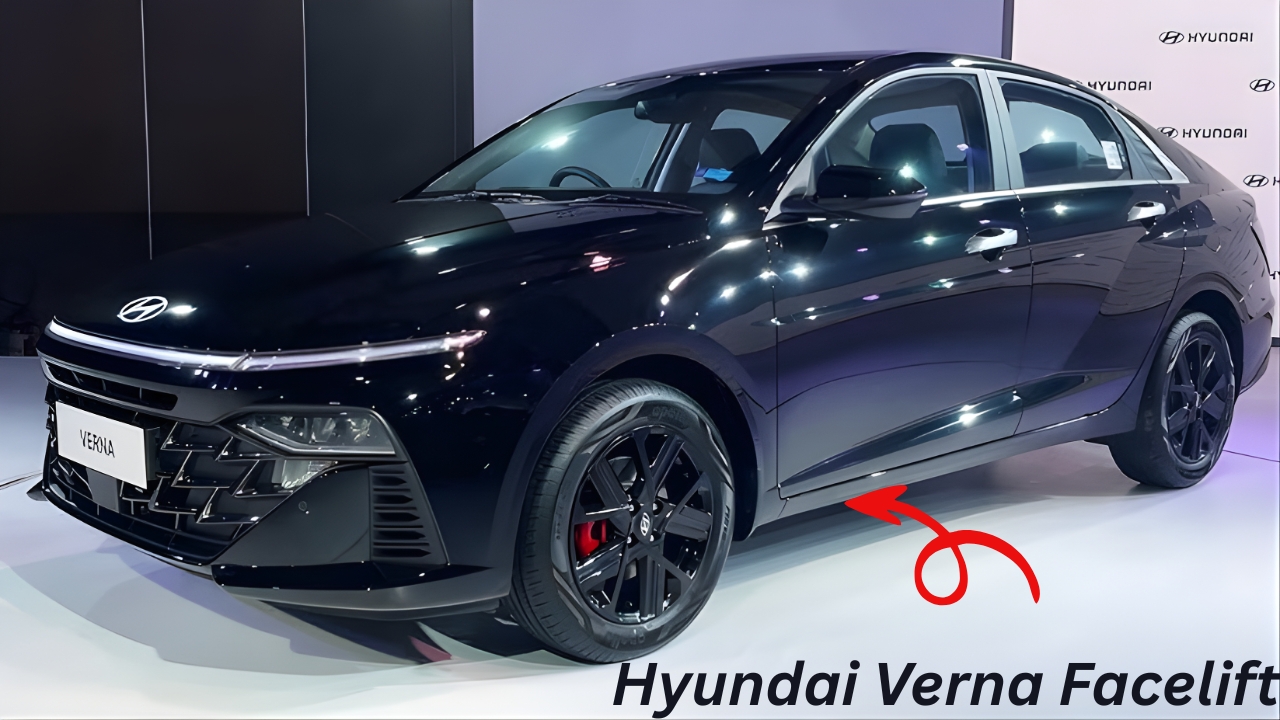
Sharper Exterior Sonata-Inspired Aggression
Gone is the familiar parametric grille; in its place, a bolder, basketball-hoop design reminiscent of Hyundai’s luxury Sonata draws eyes immediately.
The front bumper gets squared-off edges and reworked lines for a more muscular stance, while the LED light bar evolves with crisper signatures that pierce through city haze or highway nights.
Test mules reveal redesigned alloy wheels—think diamond-cut 16-inch units in some trims, with blacked-out options for that sporty vibe.
At the rear, connected taillamps and a bootlid spoiler carry over but gain freshness via updated bumpers and sharper lighting.
Sides stay mostly unchanged, preserving the Verna’s aerodynamic flow, but new character lines add tension without overhauling the silhouette. This isn’t a full redesign—Hyundai knows the current shell sells.
These tweaks make the Verna look premium and planted, perfect for Delhi’s chaotic traffic or Mumbai’s monsoons, signaling to rivals like the Honda City or VW Virtus that sedans still pack punch.
Tech-Heavy Cabin Dual Screens Take Center Stage
Step inside, and the dashboard feels reborn with a multi-layer layout stretching coast-to-coast, accented by new trim pieces and color schemes that scream upscale.
The headline grabber? A curved dual 10.25-inch (or possibly 12.3-inch) screen setup, borrowed from the Creta and new Venue—one for infotainment, one for the digital cluster, plus a passenger display.
A D-cut, three-spoke steering wheel with tilt-telescopic adjustment and controls joins the party, making long drives less fatiguing.
Wireless charging, bigger touchscreens with seamless UI, and ventilated seats in top trims elevate comfort. Hyundai’s betting big on connectivity here, with over-the-air updates and voice commands that actually listen amid accents.
For families, rear space remains generous, with USB ports and AC vents ensuring no one feels left out. It’s not revolutionary, but these evolutions address complaints about the current model’s aging interfaces, positioning the Verna as a tech haven in a segment craving modernity.
Powertrains Familiar Punch with Hybrid Tease
Under the hood, Hyundai sticks to winners: the 1.5L naturally aspirated petrol (115PS, 143.8Nm) for efficiency seekers and the punchy 1.5L turbo (160PS, 253Nm) for thrill chasers.
Transmissions mirror the lineup—6-speed manual, IVT, or 7-speed DCT—delivering that smooth surge through gears.
Whispers of a petrol-hybrid powertrain excite most, potentially making the Verna the mass-market rival to Honda’s City e:HEV.
With Hyundai’s 2030 hybrid push, this could blend 20+ kmpl mileage with sedan agility, ideal for India’s fuel costs and emission norms. No diesel yet, but turbo efficiency (around 20kmpl claimed) keeps it competitive.
Real-world driving? The turbo’s low-end torque shines in overtakes, while NA suits commuters. Expect mild-hybrid tweaks for stop-go traffic, refining the Verna’s dynamic edge without alienating loyalists.
Safety Leap Level 2 ADAS Enters the Fray
Safety gets a massive boost with Level 2 ADAS, including lane-keep assist, blind-spot collision avoidance, departure warnings, driver attention alerts, and forward collision mitigation.
High-beam assist, safe exit warnings, and rear cross-traffic avoidance round out a suite rivaling SUVs.
Standard six airbags, 360-degree cameras, and tyre pressure monitors persist, but the facelift adds front parking sensors and reinforced structures.
In a market where sedans lag SUVs on safety perception, this could sway buyers—imagine effortless highway cruising with hands-off assists (where legal).
Hyundai’s global testing ensures reliability; Indian units will tune for potholes and erratic lane discipline. It’s not just boxes ticked—it’s peace of mind for urban warriors.
Pricing and Rivals Value King Returns?
Ex-showroom prices should start around ₹11-12 lakh, climbing to ₹18 lakh for top-spec hybrids, keeping it accessible yet premium.
Against the Honda City (₹12-16L), Skoda Slavia, and Virtus, the Verna’s turbo-ADAS combo undercuts on features while matching ride quality. Launch timeline points to early 2026, with bookings opening late 2025.
Waiting pays if you crave tech; current Verna buyers snag discounts now. Hyundai’s service network seals deals—widespread, reliable, with strong resale.
Also Read This : Renault Kiger – 6 safety airbags SUV launched with ventilated seats, engine is 1499cc
Why Hyundai Verna Facelift Matters Now
In SUV-dominated India, the Verna facelift reminds us sedans excel in efficiency, handling, and cost-per-km.
It’s Hyundai doubling down on what works: bold design, loaded tech, proven engines, now with hybrid potential and ADAS smarts.
For enthusiasts tired of high-riding crossovers, this could be the breath of fresh air—sleek, smart, and seriously fun. Roads ahead look brighter.