Hyundai i10 : City streets in India are getting tighter, traffic denser, and fuel prices wilder, but Hyundai’s Grand i10 Nios keeps proving why it’s the go-to hatchback for millions.
This little powerhouse has been ruling the entry-level segment since its Nios refresh, blending peppy performance with smart features that make daily commutes feel less like a chore. As we hit 2026, whispers of updates and steady demand show it’s still got plenty of road ahead.
Stylish Outside That Turns Heads
I remember pulling up to a chai stall in Delhi last month, and heads turned—not for some flashy SUV, but my buddy’s Grand i10 Nios Sportz.
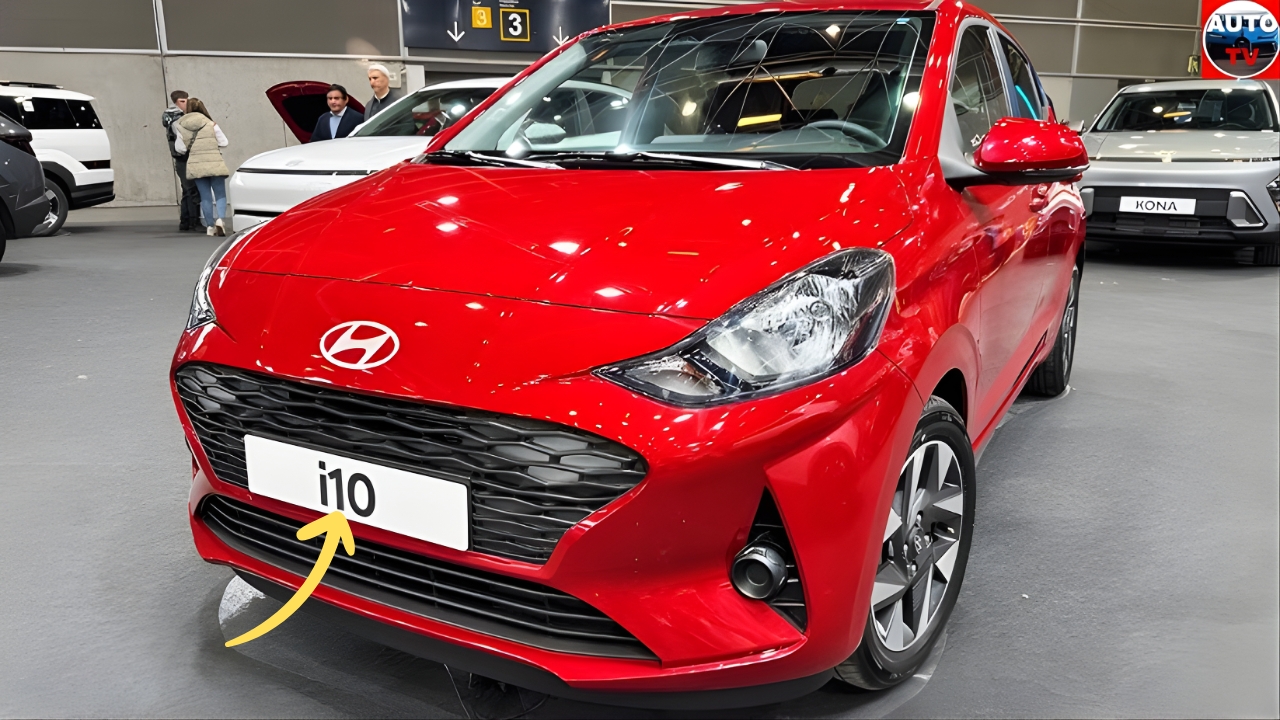
The cascading grille up front, those sharp LED daytime running lights, and the sculpted hood give it a premium vibe way above its price tag.
Hyundai nailed the “Fluidic Sculpture” look here, with 16-inch alloys on higher trims adding just the right sparkle without screaming for attention.
The rear doesn’t disappoint either. Clear lens tail lamps stretch wide, and the integrated spoiler keeps things sporty.
In a sea of boxy rivals, the Nios stands out with its 3,815mm length—compact enough for parking in those impossible Mumbai spots, yet roomy at 1,680mm wide.
Fresh paint options like Amazon Grey and Spark Green keep it looking current, even as 2026 brings minor tweaks like bolder bumpers for better crash protection.
Cabin Comfort Meets Everyday Practicality
Step inside, and it’s like Hyundai read the urban driver’s mind. The dual-tone beige-black dashboard feels upmarket, with soft-touch materials on the top trims that don’t scream “budget car.”
Rear AC vents? Check. A cooled glovebox for those water bottles on scorching afternoons? You bet. Five adults fit without drama, though the 260-litre boot might need folding seats for weekend grocery hauls.
Higher variants like Asta spoil you with an 8-inch touchscreen running wireless Android Auto and Apple CarPlay—perfect for navigating Bengaluru’s chaos with voice commands.
Leatherette seats, a height-adjustable driver’s perch, and USB Type-C ports front and rear make it family-friendly. I once crammed three backpacks and a cricket kit in there for a quick hill trip; it handled like a champ, no sweat.
Power and Efficiency for Real Roads
Under the hood sits that trusty 1.2-litre Kappa petrol engine, churning 82 bhp and 113.8 Nm—enough zip to weave through Pune traffic or cruise NH48 at steady 100 km/h.
Manual five-speeders feel slick, while the AMT automatic is a no-brainer for stop-go madness, sipping 16-18 kmpl in the city. CNG options on Magna and Sportz variants stretch to 27 km/kg, a godsend with fuel costs biting hard.
Ride quality shines on pothole-ridden streets, thanks to well-tuned suspension that soaks up bumps without feeling mushy.
Steering’s light yet precise, and electronic stability control on top trims keeps things planted in sudden rains. It’s no track star, but for what most Indians drive—a mix of highways and bylanes—this setup delivers without fuss or fatigue.
Tech and Safety Without the Fuss
Hyundai loaded the Nios with goodies that punch above its weight. Six airbags across the board now, dual front with sides on Asta, plus ABS, EBD, and hill-hold assist.
Rear parking sensors and a camera with guidelines save dings in tight spots, while TPMS warns of flat tires before they strand you.
Infotainment steals the show: Bluelink connected tech lets you pre-cool the AC via app, locate the car in a mall lot, or get breakdown help.
Wireless charging pad on Sportz and up means no more cable tangles. Speed-sensing door locks and a burglar alarm add peace of mind. In Global NCAP tests, it scored decently with these aids, proving safer than many peers.
Pricing and Ownership in India’s Market
Starting at Rs 5.55 lakh ex-showroom for the Era petrol manual, it climbs to Rs 7.92 lakh for the Asta AMT top-end.
CNG variants hover around Rs 7.2-7.7 lakh, undercutting rivals like WagonR or Swift on features per rupee. On-road in Delhi? Add 10-12% for insurance and registration, landing base models near Rs 6.3 lakh.
Running costs impress: Hyundai’s service network is everywhere, with average five-year ownership at Rs 2,944 annually.
Resale holds strong too—I’ve seen 3-year-old Nios fetching 75% of original price. Waiting periods stretch a month, so book early if you’re eyeing the popular Sportz.
Also Read This : Kawasaki ZX-10R – High performance motorcycle launched with TFT display, look is khatarnak
Hyundai i10 Why It Still Rules Indian Roads
In a market flooded with EVs and crossovers, the Grand i10 Nios thrives on reliability and value. It’s not revolutionary for 2026—no big redesign yet—
But steady updates like enhanced infotainment and better mileage keep it relevant. Families love the space, youngsters dig the style, and fleets swear by the low costs.
Rivals like Maruti’s Swift offer similar pep, but Nios edges on features and build. Tata’s Tiago brings safety cred, yet lacks the polish.
For city warriors in Chandigarh to Chennai, this Hyundai remains the smart pick. Test drive one—you might just drive off grinning, wallet intact.