Tata Altroz EV : Tata Motors is shaking up India’s electric vehicle scene with the much-awaited Altroz EV, finally rolling out after years of buzz.
This premium hatchback promises zero emissions, smart tech, and city-friendly range, all tailored for Indian roads.
A Long Wait Ends Launch Buzz Builds
Fans have been on the edge since the Altroz EV concept dazzled at the 2019 Geneva Motor Show. Back then, it hinted at Tata’s bold EV push with a sleek design and whispers of cutting-edge Ziptron tech.
Fast forward to 2026, and after some hiccups with battery tweaks and platform shifts, Tata has locked in an early-year debut for India.
The delay wasn’t just smoke—real challenges like fitting batteries snugly into the ALFA platform pushed Tata to borrow the proven Punch EV bones.
This switch smartens up production, cuts costs, and ensures the Altroz EV feels rock-solid from day one. Spy shots circulating lately show it testing hard on Mumbai streets, cloaked but unmistakably sporty.
Design That Turns Heads Without Trying Too Hard
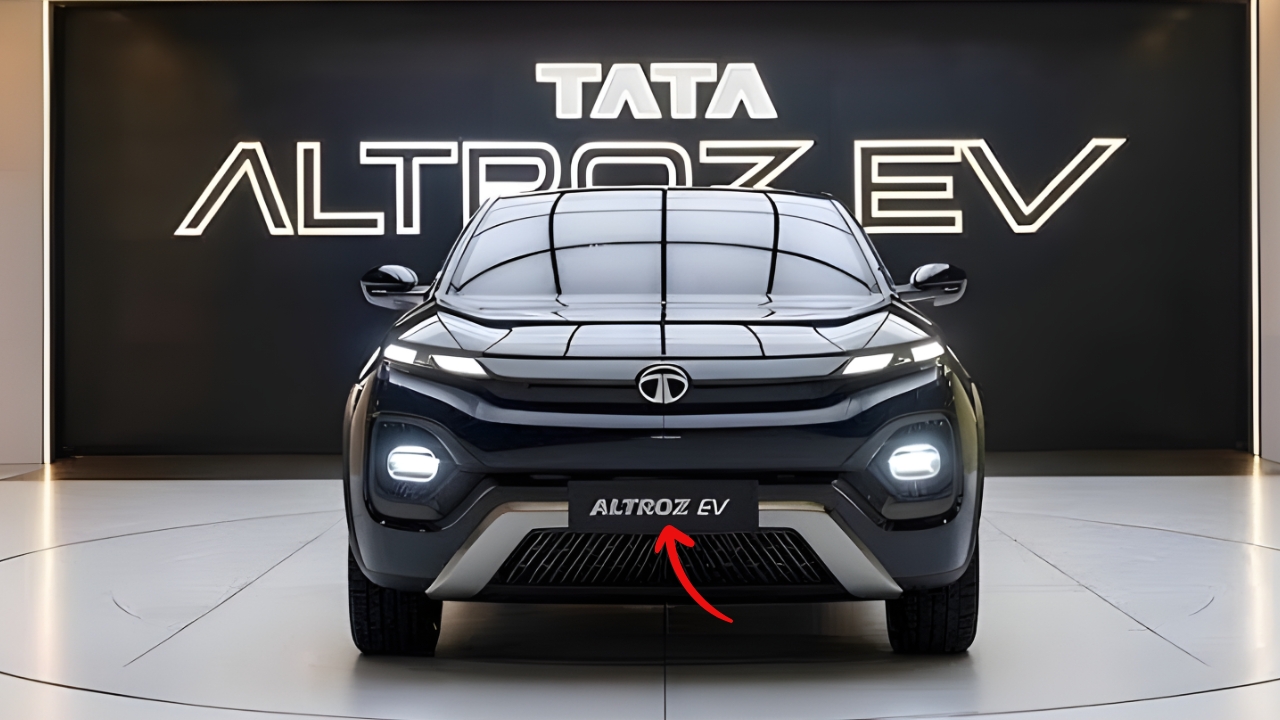
Picture the regular Altroz you love—sharp lines, muscular stance—but dialed up for electric vibes. The EV swaps the grille for a smooth, aero-optimized panel with teal blue accents screaming “green machine.”
Aerodynamic wheels slice through wind, and subtle badging keeps it classy, not flashy. Step inside, and it’s a breath of fresh air. Lighter colors flood the cabin, making it feel roomier than your average hatch.
The center console floats free, with a drive selector nestled between seats—no bulky tunnel cluttering things up. Tata nailed the space game here, turning a compact footprint into family-ready comfort.
Out back, that nifty hatch handle pops open to a practical boot, perfect for weekend grocery hauls or city errands. It’s not revolutionary, but it feels thoughtful, like Tata listened to real drivers griping about cramped rivals.
Powertrain Punch Range and Speed Sorted for India
Under the hood—or rather, bolted to the chassis—sits Tata’s battle-tested Ziptron setup. A permanent magnet synchronous motor dishes out around 129PS, paired with a 30.2kWh lithium-ion pack.
ARAI claims hover near 312km on a single charge, enough for daily commutes without range anxiety nagging you.
Fast charging? Tata delivers—80% juice in under an hour via DC fast chargers popping up across highways. Home walls take about 8 hours for a full top-up, ideal for overnight plugs.
Top speed caps at 120kmph, but instant torque makes overtakes feel effortless, even in bumper-to-bumper traffic. Tata tweaked battery cooling and software smarts to keep weight low and efficiency high.
It’s not the longest-range EV out there, but for hatchback duties in Punjab’s bustling cities like Ludhiana, it’s spot-on. No more fuel stops; just silent, smooth cruising.
Tech and Comfort Features That Feel Premium
Slide into the driver’s seat, and a digital cluster greets you with crisp range readouts and drive modes. The big touchscreen—think Harrier-sized—runs Android Auto and Apple CarPlay wirelessly, plus connected car tricks like remote AC preheat.
Cruise control, tyre pressure monitors, and a 360-degree camera make parking a joke in tight spots. Ventilated seats combat India’s sweaty summers, while keyless entry and traction control add everyday polish.
Tata didn’t skimp on safety either; expect six airbags standard, ESP, and that five-star Global NCAP rating carried over from the ICE Altroz. It’s loaded, but not overwhelming—perfect for tech-savvy folks who want smarts without the fuss.
Pricing and Rivals Value King in a Crowded Garage
Word on the street pegs base models at ₹10 lakh, climbing to ₹13 lakh for top trims—ex-showroom, of course.
That’s aggressive pricing, undercutting pricier crossovers while trouncing basic e-hatchbacks on features. Subsidies and FAME incentives could shave even more off the on-road tag.
It’ll scrap with Citroen eC3, MG Comet EV, and maybe a Hyundai i20 N Line EV if they stir. But Tata’s home turf edge—vast service nets, shared parts with Nexon EV—gives it legs.
For content creators eyeing fleet tests or buyers in Ludhiana’s growing EV crowd, this hits sweet value.
Also Read This : Mahindra Scorpion N Facelift – 4×4 off roading system SUV launched with 6 safety airbags at ₹12 Lakhs
Driving the Future Why Tata Altroz EV Matters Now
Tata’s betting big on EVs like the Altroz to flip India’s two-wheeler-dominated cities electric. With running costs dirt-cheap (think ₹1-2 per km), it’s a no-brainer against petrol hikes.
Early adopters get bragging rights on a 5-star safe, fun-to-drive hatch that doesn’t scream “gadget experiment.”
Rumors swirl of software updates boosting range down the line, keeping it fresh till 2027 models. If Tata nails the launch hype with deliveries by March, expect showrooms swamped.
This isn’t just a car; it’s Tata proving EVs can be premium hatches for the masses—reliable, roomy, and ridiculously efficient.